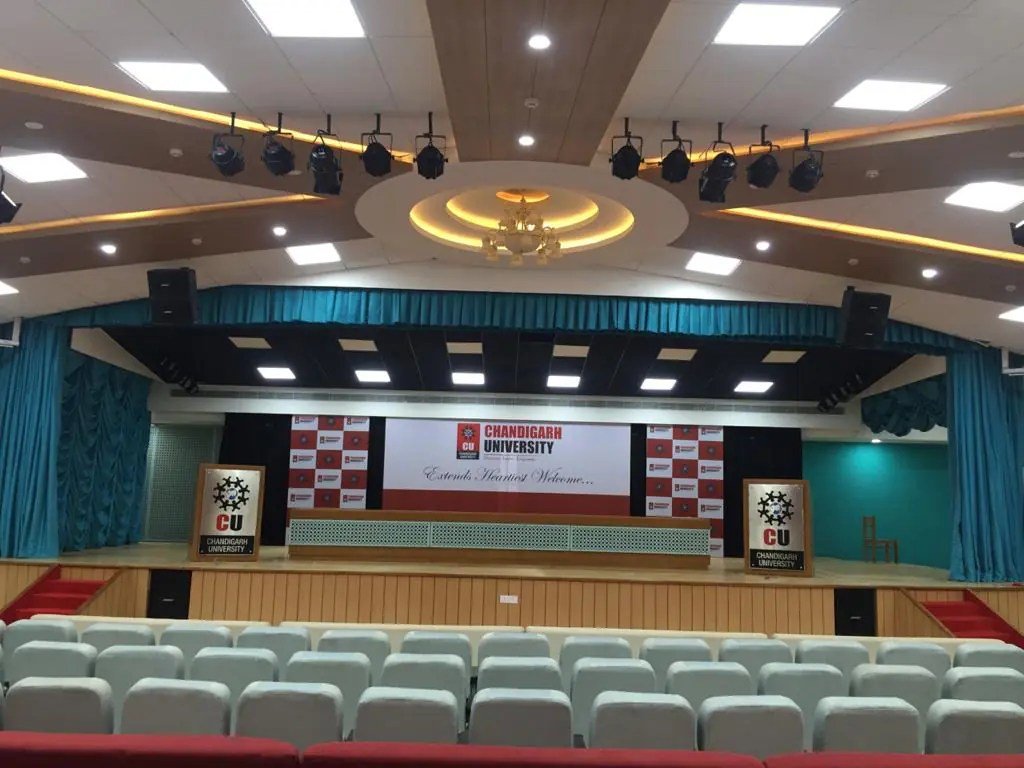
Imagine a live performance where every note rings true, every word is crystal clear, and the energy from the stage envelops the entire audience, whether they're in the front row or the back balcony. This isn't magic; it's the result of expert Live Event Sound Reinforcement & Optimization. It's the invisible force that elevates a moment into a memory, ensuring that the inspiring live experience — the kind that can't be downloaded or automated — is delivered exactly as intended.
Without skilled sound reinforcement, even the most captivating artists or compelling speakers can fall flat. This guide will pull back the curtain on the essential techniques, technologies, and human expertise that transform raw sound into an immersive, unforgettable auditory journey.
At a Glance: Why Live Sound Matters (and How We Get It Right)
- It's More Than "Loud": Sound reinforcement focuses on clarity, balance, and distribution, not just volume.
- Essential for Connection: It ensures every audience member, regardless of location, experiences the performance fully.
- A Technical Art Form: Skilled engineers use sophisticated tools and deep acoustical knowledge to sculpt sound.
- Versatile Applications: From intimate meetings to massive music festivals, tailored solutions are key.
- Prevents "Dead Spots": Even acoustically challenging venues can be optimized for superior sound.
- The Human Element is Crucial: Technology is a tool; the engineer is the artist.
Beyond Amplification: What is Sound Reinforcement, Really?
At its core, sound reinforcement is the art and science of amplifying and distributing audio to sizable or distant audiences. It also meticulously enhances sound sources for meetings, events, or performances. Think of it this way: the sound you hear directly from a speaker's mouth or a singer's voice is often insufficient to fill a large room or carry across an open field. Sound reinforcement steps in to bridge that gap, not by simply cranking up the volume, but by ensuring every sonic element is presented with optimal clarity, presence, and balance.
It's a complex dance involving physics, electronics, and a keen ear. Skilled technicians don't just "add microphones"; they calculate input signal processing, consider amplifier capabilities, and strategically place outputs to create clear, cohesive, and balanced audio. This precision is what allows an audience to truly connect with the emotion of a concert, the gravity of a lecture, or the excitement of a sporting event.
The Live Sound Engineer: Architect of Auditory Excellence
Behind every great live audio experience is a dedicated professional – the live sound engineer. These individuals are part scientist, part artist, and part problem-solver. Their role goes far beyond fader pushing; they are responsible for designing, setting up, and operating systems that deliver pristine audio under real-time pressure.
Consider the depth of knowledge required: a comprehensive training program like "Sound Reinforcement for Live Performance" often spans four courses, totaling 264 hours over approximately 44 weeks. Students in such programs are prepared for careers as live engineers by diving deep into the fundamental behavior of sound, electricity principles, and the intricacies of speaker, amplifier, and wireless systems. They learn to master live sound consoles, specialized signal processing for effects and dynamics, and crucial feedback control techniques. Understanding outdoor acoustics, zone control, and time alignment are also vital components of their education, culminating in practical experience that includes an eight-hour "gig" where they design, set up, connect, set levels, suppress feedback, and mix for a live band in concert conditions. This rigorous training enhances their versatility, making them highly sought-after in various audio fields, from broadcast to studio recording.
Where the Magic Happens: Applications Across the Spectrum
The beauty of sound reinforcement lies in its universal applicability. Wherever people gather to experience live audio, sound reinforcement is there, working its magic. Its applications span both large and small systems, touching nearly every facet of our public lives:
- Houses of Worship: Ensuring sermons and music reach every congregant clearly.
- Hospitality & Events: Hotels, convention centers, and resorts utilize systems for conferences, weddings, and galas.
- The Arts: Live theater, lecture halls, auditoriums, and concert halls depend on precise audio for plays, speeches, and symphonies.
- Entertainment Venues: Nightclubs, theme parks, and cruise ships require robust systems for performances, announcements, and immersive experiences.
- Sporting Events: Distributing commentary, music, and announcements across vast stadiums.
- Music Festivals: Creating massive, distributed sound fields that envelop thousands of attendees.
Beyond amplification, sound reinforcement also provides critical acoustical enhancements, especially in venues plagued by "dead spots" or excessive reverb. Strategically placed speakers and precise tuning can transform a challenging space into an acoustically balanced environment, allowing the intended sound to shine through.
The Anatomy of a Superior Sound System: Key Components & Concepts
Building an exceptional live sound system is like assembling a high-performance engine; each part must work in perfect harmony. While the specific gear varies wildly between events, the core components and concepts remain consistent. For a deeper dive into the world of professional audio equipment, you might want to Explore the Temple of Boom.
- Microphones (The Inputs): These are the ears of your system, capturing sound from vocalists, instruments, or presenters. Selecting the right microphone for a specific source and environment is crucial, impacting clarity and feedback resistance.
- Mixers/Consoles (The Brains): From compact digital boards to sprawling analog consoles, the mixer is where all audio signals converge. Here, the engineer adjusts levels, applies equalization (EQ), adds effects, and routes signals to various outputs. Mastering this device is paramount for any live engineer, a skill that includes
mastering your live sound consoleto craft the perfect blend. - Signal Processing (The Sculptors): This category includes devices or software that shape and refine audio.
- Equalizers (EQ): Used to boost or cut specific frequencies, correcting tonal imbalances and reducing feedback.
- Compressors/Gates: Manage dynamics, making quiet sounds louder and loud sounds quieter, or eliminating unwanted noise.
- Effects Processors: Add reverb, delay, or modulation to enhance instruments or vocals.
- Amplifiers (The Muscle): These power units take the low-level signal from the mixer and boost it to a strength capable of driving speakers. Matching amplifiers to speaker impedance and power requirements is critical for performance and safety.
- Speakers (The Outputs): The final stage where electrical signals are converted back into audible sound.
- Main PA (Public Address) Speakers: Positioned to cover the primary audience area.
- Subwoofers: Handle low-frequency sounds, adding depth and punch.
- Fill Speakers: Smaller speakers used to cover "dead spots" or fill in areas not adequately covered by the main PA.
- Wireless Systems: Essential for freedom of movement for performers and presenters. This includes wireless microphones and in-ear monitors. Understanding
the magic of wireless microphone systemsis vital for managing frequencies and avoiding dropouts. - Monitoring (For the Performers): What the performers hear on stage is as important as what the audience hears.
- Stage Monitors (Wedges): Speakers placed on the stage, angled back towards the performers.
- In-Ear Monitors (IEMs): Personal headphones worn by performers, offering a customized, isolated mix and protecting hearing.
- Cabling & Connectivity: The circulatory system of the entire setup. High-quality, properly maintained cables and connectors are crucial for signal integrity and reliability.
Mastering the Environment: Acoustics, Coverage, and Control
No two venues are alike, and the environment profoundly impacts sound. A great live sound engineer understands how to work with or around the space.
- Outdoor Acoustics: Unlike enclosed spaces, outdoor events lack natural reflection, making sound dispersion and throw distance major considerations. Wind, humidity, and temperature can also affect sound propagation, requiring careful system design and calibration.
- Zone Control: In larger venues or multi-room setups, separate "zones" of speakers can be controlled independently. This allows for varying levels or even different audio content in different areas, ensuring appropriate sound for each space.
- Time Alignment: A sophisticated technique that delays audio signals to different speaker arrays so that the sound waves from all speakers arrive at the listener's ear at precisely the same time. This prevents phase cancellation and comb filtering, resulting in a cohesive, clear sound image.
- Sound System Design: This isn't just about placing speakers. It involves predicting coverage patterns, calculating SPL (Sound Pressure Level) requirements, and understanding how the system will interact with the room's natural acoustics. Sometimes, this means
unlocking the secrets of acoustic treatmentwithin the venue itself to minimize unwanted reflections or reverberation.
The Unseen Battle: Feedback Control & Prevention
Every live sound engineer's nemesis is feedback – that sudden, piercing shriek that can ruin a moment and potentially damage equipment. Feedback occurs when a microphone picks up sound from a speaker that is reproducing the microphone's own signal, creating an uncontrolled loop.
Preventing feedback is a continuous effort, requiring proactive measures and real-time adjustments. Key strategies include:
- Proper Microphone Placement: Keeping microphones behind speakers and as close as possible to the sound source (to minimize gain needed).
- Gain Structure Management: Setting appropriate gain levels at every stage of the signal path, from mic preamps to amplifiers, to maximize signal-to-noise ratio without reaching the feedback threshold.
- Equalization (EQ): Using EQs to identify and cut specific frequencies that are prone to ringing, without significantly impacting the overall sound quality.
- Speaker Placement & Aim: Strategically positioning speakers to direct sound away from microphones.
- System Tuning: Using sophisticated analysis tools to identify resonant frequencies of a room and pre-emptively address them.
Masteringtechniques to conquer feedbackis a hallmark of an experienced live sound engineer, demonstrating their ability to maintain control under pressure and deliver uninterrupted sonic excellence.
Beyond the Audience: Delivering for Performers with Stage Monitoring
While the audience experience is paramount, the performers on stage also need to hear themselves and their bandmates clearly. This is where stage monitoring comes in, a critical component of any professional live sound setup.
- Importance of Monitors: Performers rely on monitors to stay in time, pitch, and feel connected to the music. A poor monitor mix can lead to disjointed performances, frustration, and even vocal strain.
- Types of Monitors:
- Wedges (Floor Monitors): Traditional speakers placed on the stage floor, angled up towards the performers. Each wedge can provide a unique mix tailored to a specific musician.
- In-Ear Monitors (IEMs): Offer a personalized, high-fidelity, and isolated stereo mix directly into the performer's ears. IEMs provide better isolation from stage noise, allowing for lower stage volumes and potentially better house mixes, while also protecting the performer's hearing.
- Setting Up Effective Monitor Mixes: This is a delicate balancing act, as each musician has specific needs. The monitor engineer (often the same as the front-of-house engineer for smaller gigs) must communicate closely with the performers, adjusting individual instrument and vocal levels in real-time until everyone on stage is comfortable. Essential
essential stage monitoring practicesinclude understanding performer preferences, managing gain, and minimizing crosstalk between monitor mixes.
The Live Engineer's Toolkit: Skillset & Practical Application
The journey from a blank stage to a roaring concert is a testament to the live engineer's comprehensive skillset. It’s an immersive process, often exemplified by the "8-hour gig" training where students design, set up (consoles, microphones, monitors, outboard gear), connect, set levels, suppress feedback, and mix for a live band. This hands-on experience is invaluable.
Key practical skills include:
- System Design & Setup: Knowing how to spec the right gear for a venue, create a comprehensive patch list, and physically set up the entire system efficiently and safely.
- Connectivity & Signal Flow: Understanding how every cable and piece of equipment connects, and how the audio signal flows from source to speaker.
- Gain Staging: Setting appropriate input and output levels at every stage to maximize signal clarity and minimize noise.
- Troubleshooting: Quickly identifying and resolving issues ranging from a dead mic to a faulty cable – often under immense time pressure.
- Ears & Intuition: The ability to listen critically, identify sonic problems, and make informed mixing decisions on the fly.
- Communication: Effectively communicating with performers, production managers, and venue staff.
- Multitasking: Managing multiple inputs, outputs, effects, and monitoring needs simultaneously, often while integrating other elements like DJ systems or stage lighting cues.
Common Challenges & Smart Solutions
Even the most experienced engineers encounter hurdles. Anticipating and addressing these challenges is key to consistent success.
- Misconception: "Louder is Better." This is perhaps the most common pitfall. Often, audience members (or even performers) conflate volume with impact. The truth is, clearer is always better. A well-mixed, dynamic sound at a moderate volume will be far more engaging than a distorted, ear-splitting wall of noise.
- Solution: Educate clients and performers. Focus on intelligibility and musicality. Use SPL meters to ensure safe listening levels without sacrificing impact.
- Dealing with Unforeseen Venue Quirks. Every room has its unique acoustic signature. What worked perfectly last night might sound terrible today.
- Solution: Conduct thorough sound checks. Use real-time analysis tools to identify problematic frequencies. Have a versatile toolkit of EQs and processing. Be ready to adapt on the fly.
- Budget Constraints. High-quality audio equipment and skilled personnel come at a cost.
- Solution: Scale solutions appropriately. Understand where to invest (e.g., quality microphones and front-end processing) and where compromises might be made without severely impacting quality. For smaller events, sometimes a single, highly skilled engineer with a compact but capable digital mixer can achieve wonders.
- The "One-Man-Band" Scenario. For smaller gigs, one engineer might handle front-of-house, monitors, and even lighting.
- Solution: Prioritize. Ensure critical monitor mixes are dialed in first. Use digital mixers with scene recall to quickly switch between settings. Rely on well-rehearsed setups and clear communication.
The Payoff: Why Professional Sound Reinforcement is an Investment
Engaging professional live event sound reinforcement and optimization isn't an expense; it's a strategic investment with significant returns.
- Exceptional Audience Experience: When the sound is perfect, the audience is fully immersed. They feel the music, absorb the message, and leave feeling inspired and satisfied. This translates directly into positive reviews, repeat attendance, and strong word-of-mouth.
- Performer Satisfaction & Peak Performance: Artists thrive when they can hear themselves and their bandmates clearly. A well-executed monitor mix reduces stress, boosts confidence, and allows performers to deliver their best, enhancing the overall quality of the show.
- Brand Reputation for Events & Venues: An event or venue known for stellar audio quality builds a formidable reputation. It attracts higher-caliber talent, draws larger crowds, and positions itself as a premier destination. Poor sound, conversely, can quickly damage a brand.
- Problem Prevention & Reliability: Professional engineers and well-maintained equipment minimize technical glitches, feedback, and other sound-related disasters that can derail an event. It’s about peace of mind.
- Optimal Production Value: Sound is 50% of the show, sometimes more. Investing in its quality ensures that the entire production — from lighting to stage design — is experienced at its highest potential.
Your Next Step Towards Auditory Excellence
Whether you're planning a corporate meeting, a local band gig, or a large-scale festival, understanding the fundamentals of live event sound reinforcement and optimization empowers you to make informed decisions.
For event organizers, the clearest next step is to prioritize hiring experienced, reputable live sound engineers and production companies. Look for professionals who not only have excellent gear but also a proven track record, strong communication skills, and a passion for crafting perfect sound.
For aspiring engineers or those simply curious about the craft, delve deeper into the resources available. Hands-on experience, formal training programs, and mentorship from seasoned professionals are invaluable pathways to mastering this essential art form. The world of live sound is dynamic, challenging, and incredibly rewarding – a true blend of technical prowess and artistic expression, all dedicated to delivering an unparalleled auditory experience.